
What Homeschooling Really Looks Like Today

Updated: Apr 16
Why more families are choosing flexible, personalized learning for their children
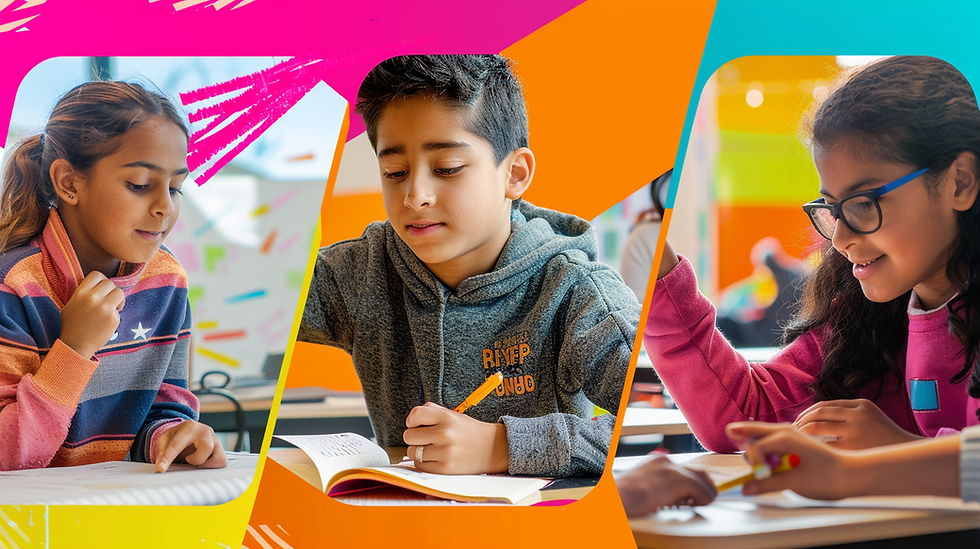
When many people hear the word homeschooling, they picture a parent sitting at the kitchen table with a stack of textbooks, trying to recreate a traditional classroom at home.
But for most families today, homeschooling looks very different.
Over the past decade, homeschooling has evolved into a flexible, personalized approach to learning that allows children to explore subjects more deeply, learn at their own pace, and develop real-world skills that often get overlooked in traditional classrooms.
For many parents, it’s less about pulling their kids out of something and more about creating a learning environment that works better for their child.
Homeschooling Isn’t One Single Thing
One of the biggest misconceptions about homeschooling is that there is only one way to do it.
In reality, homeschooling today comes in many forms. Families might choose:
• Parent-led learning at home
• Online or virtual curriculum programs
• Hybrid programs that combine classroom learning with home learning
• Learning pods or microschools•
Homeschool enrichment programs
• Community classes and workshops
Many homeschool families mix and match these options to create a schedule that fits their child’s needs and their family’s lifestyle.
This flexibility is one of the reasons homeschooling has grown so much in recent years.
Learning Can Look Different for Every Child
In traditional classrooms, teachers often have to move through material at a set pace because they are responsible for many students at once.
Homeschooling allows learning to become more individualized.
Some children move quickly through certain subjects and spend more time exploring others that truly interest them.
For example, a child fascinated by science might spend extra time experimenting, researching, or building projects. A child who loves writing might dive deeper into storytelling or creative expression.
Instead of learning being something students simply complete, it becomes something they actively explore.
Socialization Looks Different Too
One of the most common questions parents ask about homeschooling is:
“What about socialization?”
In reality, homeschool students often interact with a wide variety of people throughout their week.
Many participate in:
• community classes
• homeschool groups
• sports and extracurricular activities
• volunteer opportunities
• field trips and collaborative projects
• workshops and enrichment programs
Because homeschool environments often include students of different ages, children also learn how to collaborate with people outside their immediate peer group, something that can be valuable later in life.
Parents Don’t Have to Do Everything Alone
Another common misconception is that parents must personally teach every subject.
In practice, most homeschool families use a combination of resources, including:
• structured curriculum programs
• online learning tools
• subject-specific instructors
• community classes
• enrichment programs led by educators or professionals
Many families build a support network that helps share the responsibility for teaching and mentoring students.
This allows parents to stay involved in their child’s education without feeling like they have to manage every part of it themselves.
Why More Families Are Exploring Homeschooling
Families choose homeschooling for many different reasons.
Some are looking for:
• more flexibility in their child’s schedule
• a learning pace that fits their child better
• stronger family involvement in education
• opportunities for hands-on learning
• environments that build confidence and independence
For many families, homeschooling opens the door to a style of learning that feels more connected, engaging, and meaningful.
A Growing Educational Landscape
Education is evolving, and homeschooling has become an important part of that landscape.
Instead of being limited to one model of schooling, families now have the opportunity to explore options that combine the strengths of traditional education with the flexibility of personalized learning.
For parents beginning to explore homeschooling, the first step is often simply learning what options are available.
And for many families, that journey begins with a single question:
“What kind of learning environment helps my child thrive?”
Homeschool Programs in Winter Garden That Prepare Kids for Real Life
Confidence. Independence. Real-world skills your child actually needs to thrive.
Our modern homeschool program blends academics, socialization, and hands-on learning to help students think, lead, and succeed in today’s fast-changing world.
Would you like to explore what the Plant Street Academy homeschool program is all about?Join our Seminar & Open House. Space is limited.



Comments